How to Read Cryptocurrency Charts: A Beginner’s Guide to Mastering Price Action
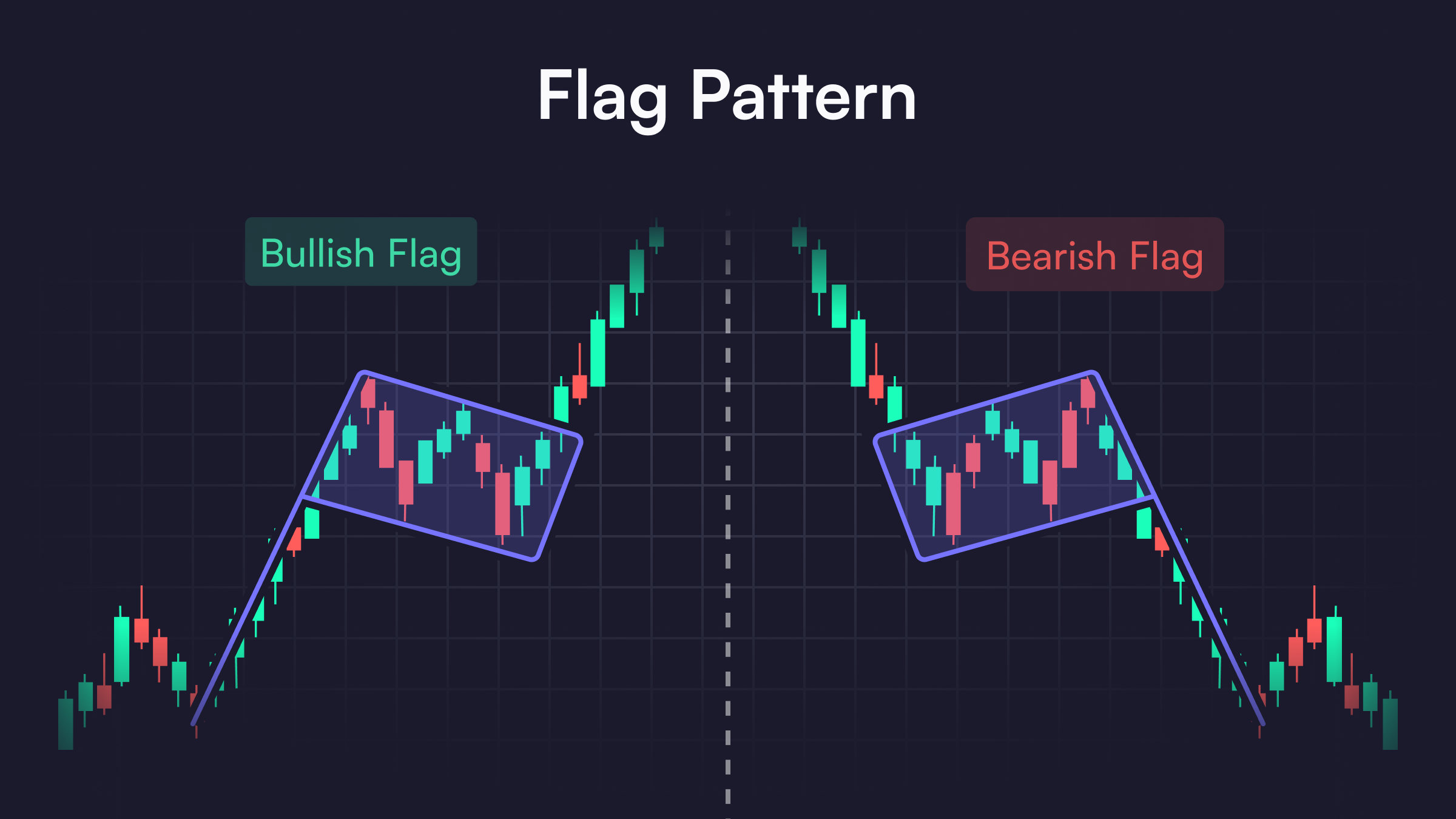
Cryptocurrency markets move fast and trade 24/7, making value charts one of the most essential tools for traders and investors. Whether you are looking at Bitcoin, Ethereum, or any alternative coin, learning to read charts helps you understand crypto market market feeling, spot trends, and make more informed decisions.
This guide explains the basics step by step — from graph types and candlestick anatomy to trends, patterns, and key indicators — so you can start analyzing crypto charts with confidence.
Understanding the Basics of Crypto Charts
Every crypto graph has two main axes:


- The horizontal X-axis represents time (from minutes to years, depending on the timeframe you choose).
- The vertical Y-axis shows the value of the digital currency.
You can switch between different timeframes on most platforms (such as TradingView, Binance, or Coinbase). Beginners often start with 1-hour or 4-hour charts, while day traders use 5-minute or 15-minute intervals, and long-term investors prefer daily or weekly views.
There are three common types of charts:
- Line charts: The simplest form. They connect only the closing prices over time, giving a clean overview of the overall direction. Ideal for quick glances but lacking detailed information.
- Bar charts: Show the open, high, low, and close (OHLC) for each period as vertical bars with small ticks.
- Candlestick charts: The most popular and informative type in crypto crypto trading. Each “candle” visually represents value action during a specific time period.
Most traders rely on candlestick charts because they provide rich information at a glance.
Anatomy of a Candlestick
Each candlestick tells the story of the battle between buyers (bulls) and sellers (bears) during that timeframe.
A single candlestick consists of:
- The body: The thick rectangular part. It shows the opening and closing prices.
- If the closing value is higher than the opening value, the body is usually green (or white) — indicating uptrend market force.
- If the closing value is lower than the opening value, the body is usually red (or black) — indicating downtrend pressure.
- The wicks (or shadows): Thin lines extending above and below the body.
- The upper wick shows the highest value reached during the period.
- The lower wick shows the lowest value reached.
A long body means strong conviction from buyers or sellers. Long wicks suggest rejection or indecision — for example, a long upper wick may indicate that sellers pushed the value down after an initial rise.
Identifying Trends on Crypto Charts
Trends are the foundation of technical evaluation. Prices rarely move in straight lines; they generally follow three types of trends:
- Uptrend (Bullish): Higher highs and higher lows. The overall direction is upward.
- Downtrend (Bearish): Lower highs and lower lows. The crypto market is declining.
- Sideways (Range-bound): Price moves within a horizontal channel with no clear direction.
To spot a direction, draw direction lines connecting the lows in an uptrend or the highs in a downtrend. A break of the direction line often signals a potential trend change.
Support and ceiling level levels are also crucial:
- Support: A value level where buying interest is strong enough to prevent further decline.
- Resistance: A value level where selling pressure tends to stop upward movement.
These levels often act as psychological barriers and can flip roles once broken (base level becoming ceiling level, and vice versa).
Common Candlestick Patterns
Candlestick patterns help predict potential reversals or continuations. Here are some of the most useful ones in crypto:
Bullish patterns (suggesting upward movement):
- Hammer: A small body with a long lower wick. It often appears at the bottom of a downtrend, showing that buyers stepped in after prices dipped.
- Bullish Engulfing: A large green candle that completely engulfs the previous red candle. It signals a strong shift from sellers to buyers.
- Morning Star: A three-candle pattern (downtrend candle, small/doji candle, then strong uptrend candle) indicating a potential trend change upward.
Bearish patterns (suggesting downward movement):
- Shooting Star: Small body with a long upper wick at the top of an uptrend.
- Bearish Engulfing: A large red candle that engulfs the previous green one.
- Evening Star: The opposite of the Morning Star, signaling a potential top.
Indecision patterns:
- Doji: When the open and close are almost the same, creating a very small body. It often appears before major reversals as the crypto market hesitates.
Always confirm patterns with trade amount and other indicators rather than relying on them in isolation.
Key Technical Indicators to Use with Charts
Candlesticks alone are powerful, but combining them with indicators provides stronger signals:
- Moving Averages (MA): Smooth out value data to identify trends. A “Golden Cross” (short-term MA crossing above long-term MA) is often uptrend.
- Relative Strength Index (RSI): Measures market force on a scale of 0–100. Above 70 suggests overbought conditions (possible price retreat), while below 30 indicates oversold (possible bounce).
- MACD (Moving Average Convergence Divergence): Shows changes in strength, direction, and duration of a direction.
- Volume: Bars at the bottom of the graph. Rising trade amount during a value move confirms the direction’s strength. Low trade amount may signal weakness.
Many platforms also offer Bollinger Bands, Fibonacci retracements, and Ichimoku Cloud for more advanced evaluation.
Practical Tips for Reading Crypto Charts Effectively
- Start simple — Master candlesticks and trends before adding too many indicators.
- Use multiple timeframes — Check the daily graph for the bigger picture, then zoom into lower timeframes for entry points.
- Always consider trade amount — A price jump on high trade amount is more reliable than one on low trade amount.
- Watch for news and on-chain data — Charts reflect market feeling, but external events (regulations, halvings, or major announcements) can override technical signals.
- Practice on historical charts — Replay past Bitcoin or Ethereum movements to train your eye without risking money.
- Manage danger — Even the clearest patterns can fail. Use stop-deficit orders and never invest more than you can afford to lose.